Toronto Summer Music Festival Announces its Fifth Anniversary 2010 Programme
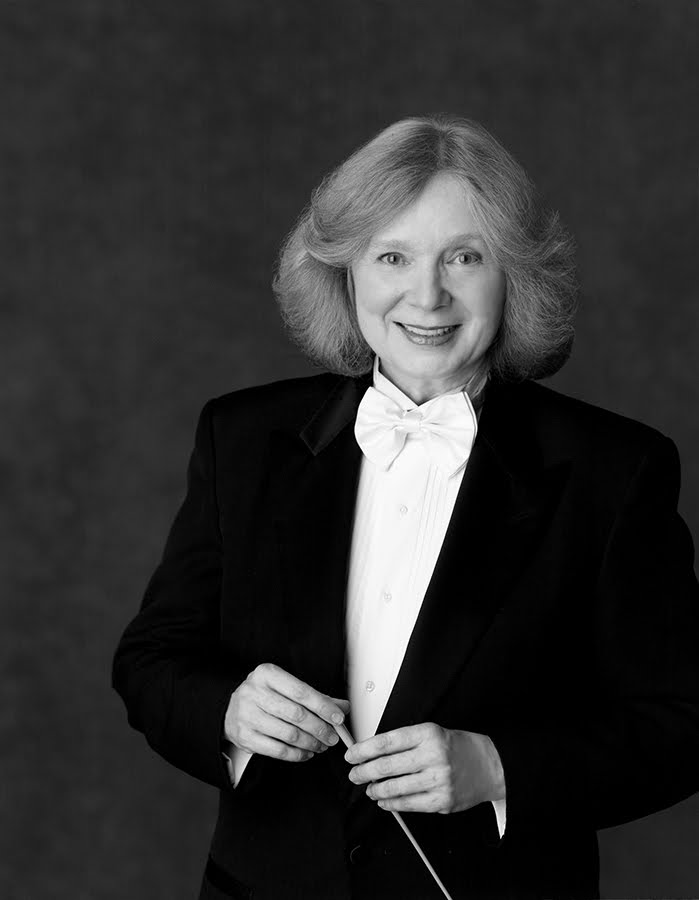 Photo: Agnes Grossmann, Artistic Director, Toronto Summer Music Academy and Festival
I just received an exciting press release from Toronto Summer Musical Festival. Now in its Fifth Season, this festival fills a big void in Toronto's music scene. With the absence of a summer home for the Toronto Symphony Orchestra, and with both the National Ballet of Canada and the Canadian Opera Company in hiatus, there is a dearth of classical music activities in town. Thanks to TSMF, Torontonians don't have to travel for their music fix. I'm sorry to say that, for the second year in a row, there won't be any staged opera from TSMF. But my disappointment is assuaged by the presence of the great German baritone Matthias Goerne, who is making one of his infrequent visits to our city. He is giving a recital with pianist Andreas Haefliger on July 27. The last time I heard Goerne in Toronto was April 2004, during the sad winter and spring of SARS in Toronto. Many artists, fearing an epidemic, cancelled their appearances at the time. But to his great credit, Matthias Goerne fulfilled his obligations and showed up at Roy Thomson Hall. He sang beautifully a program of Mahler with the symphony, if memory serves. Incidentally, Goerne is giving a public masterclass on July 26, 7 - 10 pm in Walter Hall - not to be missed!
Other vocal delights this summer include an evening of German lieder with three of Canada's brightest singers- tenor Colin Ainsworth, soprano Lesley Ann Bradley and baritone Peter McGillivray. Another interesting concert is a TSMF-commissioned piece, Song of the Earth, by Canadian composer Glenn Buhr. Soloists are Romanian alto Roxana Constantinescu and tenor Gordon Gietz. This is paired with Mahler's Das Lied von der Erde (chamber version). This takes place on August 7th.
For more information, go to http://www.torontosummermusic.com/
See below for the complete press release:
********************************
TORONTO SUMMER MUSIC FESTIVAL CELEBRATES
5TH ANNIVERSARY JULY 20 TO AUGUST 13, 2010
“…a virtual oasis in the musical desert of the Toronto summer.”
—The Globe and Mail
2010 marks the fifth annual TORONTO SUMMER MUSIC FESTIVAL (TSMF), and Artistic Director Agnes Grossmann is delighted to unveil her plans for this year’s edition devoted to the theme Songs of the Earth. The Festival takes place in downtown Toronto from July 20 to August 13, and features an array of Canadian and international stars including Matthias Goerne, Andreas Haefliger, Anton Kuerti, Menahem Pressler, Connie Shih and Tsuyoshi Tsutsumi; top flight international chamber ensembles the Pacifica String Quartet, the Vienna Piano Trio, the Gryphon Trio and the Penderecki String Quartet; and four imaginative concert programmes that combinemusic with an added dimension: the Bunraku Bay Puppet Troupe from the United States together with Japan’s Imada Puppet Troupe; The Art of Time Ensemble with musical transformations based on Korngold-inspired themes; a tribute to the legendary choreographer, the late Pina Bausch, with a film of her ballet set to Stravinsky’s Rite of Spring projected as duo-pianists Anagnoson and Kinton perform the composer’s chamber version of this volcanic dance score; and the Gryphon Trio with James Campbell performing Messiaen’s Quartet for the End of Time against the backdrop of evocative paintings by Stephen Hutchings. Another highlight of the Festival will be a performance of Mahler’s masterpiece, Song of the Earth in the Schoenberg/Rhien chamber version. Landmark anniversaries of composers Schumann, Chopin and Mahler will be celebrated in concert programmes throughout the four-week Festival, which includes the world-premiere of a new Mahler-inspired work by Glenn Buhr.
“As the Toronto Summer Music Festival enters its fifth season, I am truly thrilled with the opportunity to share these 13 concerts inspired by the theme Songs of the Earth. With Mahler’s eponymous masterpiece as my cue, I have selected music that celebrates the beauties of the earth and reflects the profound love that many of the featured composers felt for nature. I am sure that audiences will find these concerts fascinating, engaging and thought-provoking,” says Agnes Grossmann.
Toronto Summer Music Festival at a Glance
Tuesday series: SCHUMANN & CHOPIN RECITAL SERIES
Honouring two of the most inspiring piano-composers of the Romantic era
July 20, 8 pm at Koerner Hall
Anton Kuerti, piano
Master pianist and 2007 Schumann prize-winner Anton Kuerti launches the 2010 festival with a solo homage to Schumann’s 200th anniversary. Praised as “one of the truly great pianists of this century” (CD Review, London), Kuerti’s past three Festival appearances have sold out. His gala performance in the superb acoustics of Koerner Hall on a brand new Hamburg Steinway includes Schumann’s Novelettes, Op. 21, Sonata No. 1 in F sharp minor, Op. 11, the Fantasy in C major, Op. 17, and the Toccata in C major, Op. 7. July 27, 8 pm at Koerner Hall
Masters of Song — Matthias Goerne, baritone and Andreas Haefliger, piano
6:45 pm: pre-concert talk with Dr. Ryan McClelland
Known as “perhaps the greatest Lieder singer of our day,” (Chicago Sun-Times), baritone Matthias Goerne makes his highly anticipated Festival debut. He is joined by his long-time collaborator, the superb pianist Andreas Haefliger in a programme of Lieder including Schumann’s Three Songs to texts by Heinrich Heine, Liederkreis, Op. 24, and Brahms Lieder, Op. 32. Haefliger also performs the Three Intermezzi, Op. 117 — among the best-loved of Brahms’ music for solo piano. August 3, 8 pm at MacMillan Theatre
Piano Legends — André Laplante, piano
6:45 pm: pre-concert talk with Don Anderson
One of the great Romantic pianists of our time, André Laplante returns to the Festival to pay tribute to the Chopin bicentenary. He performs the rarely-heard chamber version of Chopin’s Piano Concerto No. 1 in E minor, Op. 11 with string quartet. Franz Liszt’s Book 2 Pilgrimages (Italy), which was inspired by timeless masterpieces of painting, sculpture and poetry by Raphael, Michelangelo, Petrarch and Dante, completes the programme.
August 10, 8 pm at Walter Hall
Romantic Duo — Tsuyoshi Tsutsumi, cello and Connie Shih, piano
6:45 pm: pre-concert talk with Dr. Robin Elliott
Japan’s revered cellist Tsuyoshi Tsutsumi returns to share the stage with the Canadian-born,
Germany-based young pianist, Connie Shih. The programme features virtuoso Romantic cello
sonatas by Mendelssohn and Chopin and is completed by folk-flavoured selections including
Schumann’s Five Pieces in Folk Style, Op. 102 and Chopin’s Introduction and Polonaise brillante in C major, Op. 3.
Wednesday concert:
August 4, 8:00 pm at MacMillan Theatre
An Evening of German Art Song — Colin Ainsworth, tenor; Leslie Ann Bradley, soprano;
Peter McGillivray, baritone This celebration of German art song features three of Toronto’s most remarkable and accomplished young Lied-singers. The programme includes some of the most beautiful songs by Robert Schumann, and shows the evolution of German art song into the 20th century through Hugo Wolf and Richard Strauss.
Thursday series: MUSIC PLUS SERIES
Music experienced through multi-disciplinary forms
July 22, 8:00 pm at MacMillan Theatre
Music & Theatre — Buraku Bay Puppet Troupe and Imada Puppet Troupe
6:45 pm: pre-concert talk with Martin Holman
Bunraku [boon-rah-koo]: a vivid, sophisticated style of puppet theatre that originated in Japan more than 300 years ago. TSMF is thrilled to present the Toronto premiere of the only American troupe that performs traditional Japanese Bunraku puppetry. The Bunraku Bay Puppet Troupe is joined by its Ina Valley, Japanbased mentors, the Imada Puppet Troupe, which was founded in 1704. Using half life-size puppets and accompanied by chanted narration and music played on traditional instruments, the two companies perform a series of delightful, inspiring short plays. Chicago Weekly praised the Bunraku Bay Troupe’s “wonder in craftsmanship and coordination,” remarking, “the entrance was enough to send chills down everyone’s spines ....”
July 29, 8:00 pm at Walter Hall
Musical Transformations — Erich Korngold: Source and Inspiration
Andrew Burashko and Art of Time Ensemble
6:45 pm: pre-concert talk with Andrew Burashko
Andrew Burashko and the Art of Time Ensemble performances have earned the reputation for being among Toronto’s most engaging concert experiences, with programs that are thought-provoking and compelling. TSMF is proud to present Art of Time’s programme inspired by Erich Korngold, the father of the classic Hollywood film score. Korngold’s Suite, Op. 23 for Two Violins, Cello and Piano anchors the evening. A performance of six contemporary songs inspired by Korngold’s Suite are performed by their composers, the singer-songwriters Martin Tielli, “who paints aural pictures from the heart” (Chart Attack), John Southworth, who is “delightfully eccentric, and seems to have emerged out of a time vacuum,” (New York Press), and Danny Michel, “one of this country’s most undiscovered musical treasures.” (Toronto Star).
August 5, 8:00 pm at Walter Hall
Music & Dance — James Anagnoson, piano and Leslie Kinton, piano
This performance is presented in memory of choreographer Pina Bausch (1940–2009)
6:45 pm: pre-concert talk with Michael Crabb
The dynamic combination of dance on film with live music promises an unforgettable experience.
The Festival honours the celebrated modern choreographer Pina Bausch, who died in 2009, with a film of her thrilling ballet set to Stravinsky’s 1912 landmark composition The Rite of Spring that forever changed the way we listen to music. Festival favourites, the piano duo Anagnoson and Kinton perform the composer’s four-hand piano transcription of the score. The programme includes cornerstones of the two-piano repertoire: Brahms’s Haydn Variations and the spectacular Suite No. 2 by Rachmaninoff.
August 12, 8:00 pm at MacMillan Theatre
Music & Painting — Gryphon Trio with James Campbell, clarinet
6:45 pm: pre-concert talk with Stephen Hutchings
One of Canada’s pre-eminent chamber ensembles, the Gryphon Trio returns to the Festival following four previous sold-out concerts. In the grand finale to the 2010 Festival, they are joined by clarinetist James Campbell to perform Olivier Messiaen’s prophetic Quartet for the End of Time. Paintings by artist Stephen Hutchings, inspired by Messiaen’s music, will be projected above them. The Trio closes the Festival with a final song of the earth, Schumann’s Piano Trio No. 2 in F major, Op. 80.
Friday concert
July 30, 8 pm at Walter Hall
New Compositions — Penderecki String Quartet
6:45 pm: pre-concert talk with Dr. Glenn Buhr
Canada’s renowned Penderecki String Quartet continuously pushes the envelope of their musical
medium with repertoire that ranges from Brahms and Britten to collaborations with a wide spectrum of contemporary musicians from trip-hop performer DJ Spooky to Chinese pipa player, Ching Wong. For this concert, the Quartet performs works by four emerging composers who are in residence at this year’s Toronto Summer Music Academy. The programme also includes Quartet No. 4 by Academy composition coach, Glenn Buhr.
Saturday series: CHAMBER MUSIC SERIES
Concerts created around the music of Gustav Mahler
July 24, 8:00 pm at Walter Hall
Mahler & Friends — Vienna Piano Trio with Sharon Wei, viola
6:45 pm: pre-concert talk with Dr. Robin Elliott
The Vienna Piano Trio, hailed by BBC Music Magazine for performances that are “quite simply,
stunning,” presents a programme of early works by composers who enjoyed close ties. Arnold
Schoenberg’s love poem Transfigured Night is paired with Piano Trio, Op. 3 by Alexander Zemlinsky and Mahler’s one-movement Piano Quartet in A minor.
July 31, 8:00 pm at MacMillan Theatre
Mahler’s Heroes and Admirer —Pacifica String Quartet with Menahem Pressler, piano
6:45 pm: pre-concert talk with Dr. Colin Eatock
Profound experience joins hands with youthful passion in this concert, as revered pianist Menahem Pressler – who toured the world for more than 50 years as a member of the illustrious Beaux Arts Trio – teams up with the brilliant young artists of the Grammy Award-winning Pacifica String Quartet. They salute the Mahler anniversary with music by two of the composers he most admired – Beethoven’s String Quartet No. 6 in B flat major, Op. 18, No.6, and Schumann’s Piano Quintet in E flat major, Op. 44. The String Quartet No. 3 in F major, Op. 73 by Shostakovich — a composer who was deeply influenced by Mahler — completes this programme.
August 7, 8:00 pm at MacMillan Theatre
Song of the Earth — Roxana Constantinescu, mezzo-soprano, Gordon Gietz, tenor
TSM Festival Ensemble
6:45 pm: pre-concert talk with Dr. Jürgen Thym
The stunning Romanian alto Roxana Constantinescu and the outstanding tenor Gordon Gietz are
the featured artists in Song of the Earth, a TSMF-commissioned vocal work by the prominent
Canadian composer Glenn Buhr. It is paired with a chamber version of Mahler’s monumental Das Lied von der Erde, the work that provided the thematic anchor for the entire 2010 festival.
Public Master Classes Rewarding behind-the-scenes experiences, master classes offer insight into the development of exceptional musicians. Observers may attend and listen as top artists pass along their musical expertise to artists in the Toronto Summer Music Academy. $20 per master class.
Vienna Piano Trio —Friday July 23, 3:00 - 6:00 pm at Edward Johnson Building, Room 330
Matthias Goerne — Monday July 26, 7:00 - 10:00 pm at Walter Hall
Menahem Pressler — Sunday August 1, 10:00 am - 1:00 pm at Walter Hall
Pacifica String Quartet — Sunday, August 1, 2:30 - 5:30 pm at Walter Hall
Janos Starker — Sunday, August 8, 11:00 am - 1:00 pm at Remenyi House of Music
Rising Stars In Concert — FREE!
Wednesday, July 28, 7:30 pm at Walter Hall
The Festival is proud to present excellent up-and-coming musicians in a FREE concert as they
interpret some of the most moving and challenging pieces in the repertoire.
Emerging Artists in Concert at Walter Hall — FREE!
Wednesdays at 12:30 pm on July 21, July 28, August 4 and August 11
Fridays at 7:30 pm on July 23, August 6, August 13
Saturday July 31 at 2:00 pm
TSMF offers a series of FREE concerts featuring emerging artists at the threshold of their
professional careers. These exceptional musicians study with Festival performers in master classes at the Toronto Summer Music Academy.
Toronto Summer Music Festival 2010
July 20 Anton Kuerti, piano
July 22 Bunraku Bay Puppet Troupe and Imada Puppet Troupe
July 24 Vienna Piano Trio
July 27 Matthias Goerne and Andreas Haefliger
July 29 Andrew Burashko and The Art of Time Ensemble
July 30 Penderecki String Quartet
July 31 Pacifica String Quartet and Menahem Pressler, piano
August 3 André Laplante, piano
August 4 Peter McGillivray, baritone, Colin Ainsworth, tenor and Leslie Ann Bradley, soprano August 5 James Anagnoson and Leslie Kinton, piano duo / Pina Bausch film
August 7 Roxana Constantinescu, alto, Gordon Gietz, tenor and TSM Festival Ensemble
August 10 Tsuyoshi Tsutsumi, cello and Connie Shih, piano
August 12 Gryphon Trio and James Campbell, clarinet
Festival passes ($130 - $345) and single tickets ($30 - $75) are available at
www.torontosummermusic.com or by calling (416) 408-0208.
Labels: Agnes Grossmann, Andreas Haefliger, Anton Kuerti, Matthias Goerne, Menahem Pressler, Toronto Summer Music Festival
posted by Joseph So at
12:38 PM
|
0 Comments
Links to this post